What Is a Pergola? Origins, Types, and Garden Uses
Una pérgola es una de las construcciones de exterior más versátiles y atractivas para cualquier espacio al aire libre. Ya sea para resguardarse del sol en los meses calurosos, habilitar una zona de comedor o dar soporte a hermosas plantas trepadoras, estas estructuras transforman por completo la funcionalidad y la estética de una propiedad.
A la hora de diseñar un jardín o una terraza, surgen dudas habituales sobre las características exactas de una pérgola, sus diferencias con otras edificaciones como cenadores o porches, su origen histórico y los aspectos técnicos necesarios para su correcta instalación y mantenimiento.
¿Qué es una pérgola? Definición y estructura básica
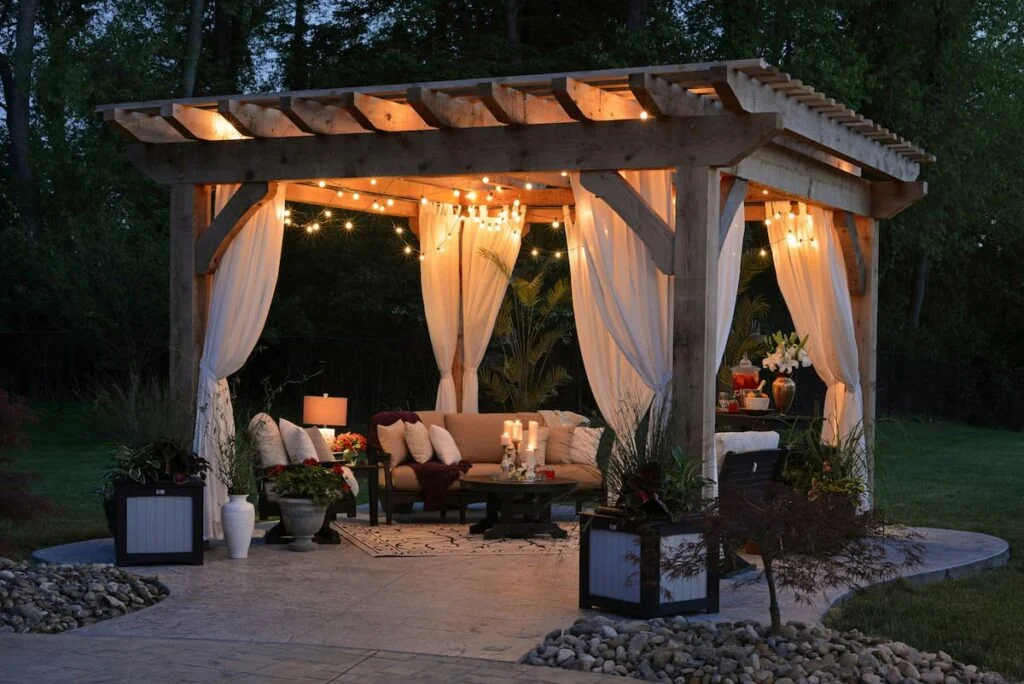
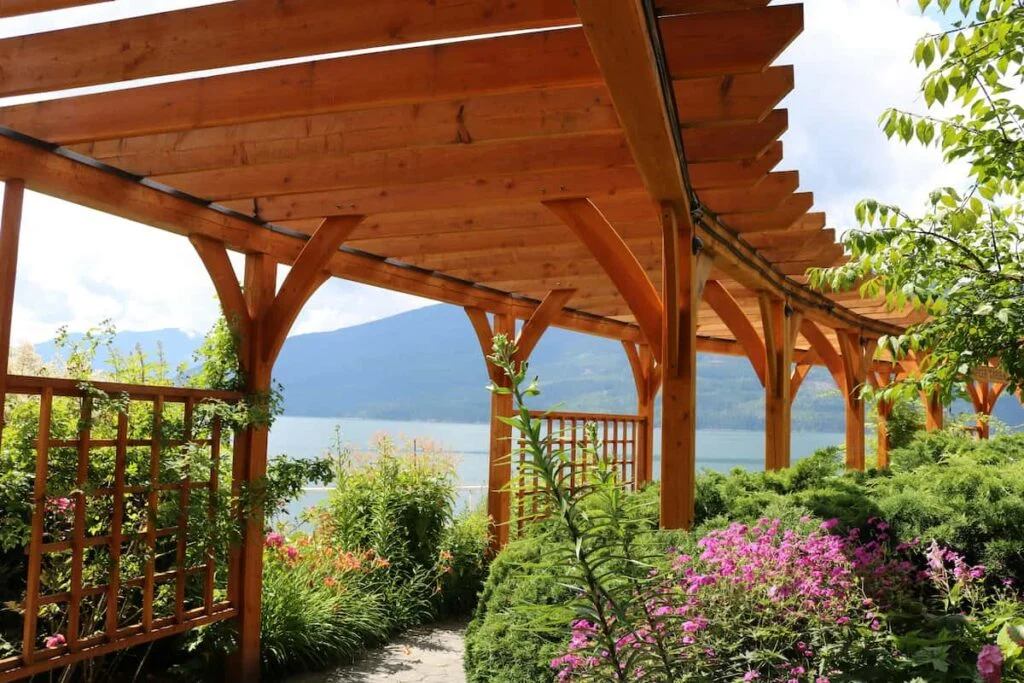
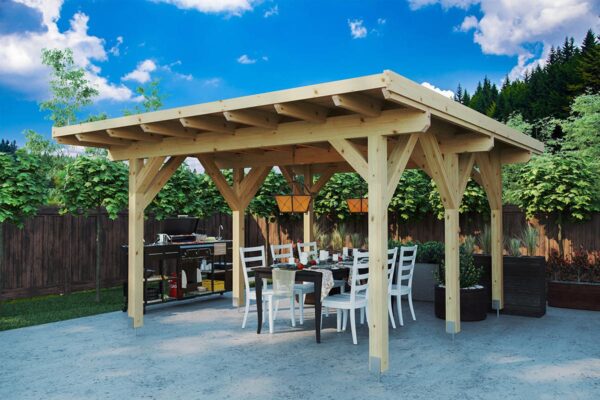
Una pérgola es un elemento arquitectónico exterior formado por una serie de columnas o postes verticales que sostienen vigas longitudinales y travesaños transversales en la parte superior. A diferencia de las edificaciones cerradas, su cubierta original es un enrejado abierto que permite el paso matizado de la luz solar y la circulación del aire.
Estas estructuras se fabrican tradicionalmente en madera, aunque también existen versiones modernas en aluminio o acero. Se pueden instalar de forma independiente como punto focal en medio de un jardín o adosadas a la fachada de una vivienda para crear una transición fluida entre el interior y el exterior.
Su propósito principal es brindar sombra parcial sin aislar por completo el entorno natural. Las vigas superiores reducen la radiación directa del sol y ofrecen una estructura sólida para instalar toldos, cubiertas protectoras o vegetación.
Transforme su jardín con una pérgola de madera duradera
Diseñamos y fabricamos pérgolas de abeto nórdico de alta calidad con garantía de 5 años y envío gratuito a toda España. Encuentre la estructura perfecta para crear su zona de sombra ideal hoy mismo.
Diferencias entre pérgolas, cenadores, porches y otras estructuras
Es frecuente confundir la pérgola con otros elementos arquitectónicos de jardín. Conocer las características distintivas de cada uno ayuda a seleccionar la opción idónea para cada proyecto.
Pérgola frente a arco de jardín: Los arcos de jardín son estructuras pequeñas y estrechas, habitualmente con remate curvo, diseñadas principalmente para enmarcar accesos o caminos. Una pérgola es una construcción mucho más amplia, con techo plano u orientado, pensada para alojar personas debajo.
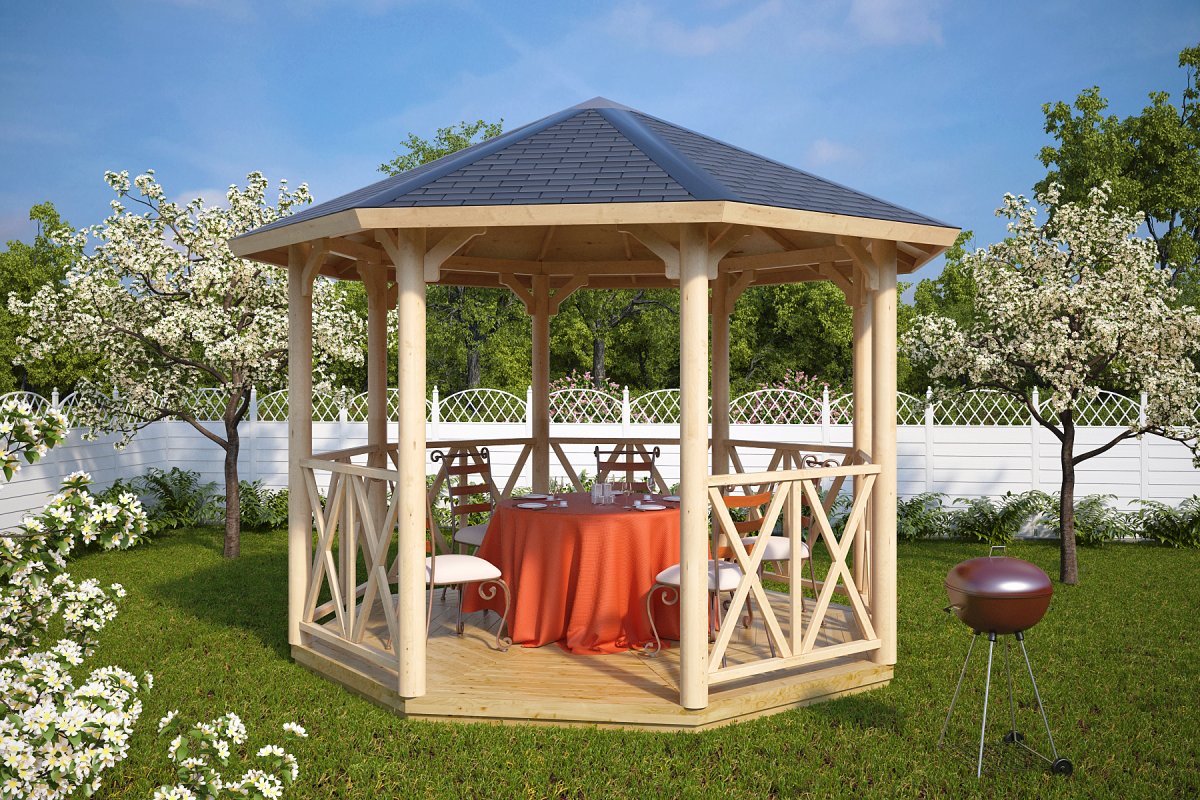
Pérgola frente a cenador: La diferencia fundamental reside en la cubierta. Mientras que la pérgola cuenta con un techo abierto de vigas, el cenador presenta una cubierta totalmente cerrada y fija. Si busca una estancia exterior con protección permanente frente a la lluvia, explore los distintos modelos de cenadores de madera.
Pérgola frente a porche: Un porche es un espacio anexo e integrado directamente en la estructura principal de la edificación, cubierto por la misma línea de tejado o una extensión rígida. Si le interesa este tipo de construcción, puede consultar nuestra guía sobre cómo hacer un porche de madera.
Pérgola frente a marquesina: La marquesina es una cubierta de menores dimensiones fijada a la pared sobre portones, ventanas o escaparates con el fin exclusivo de proteger el paso de la lluvia, sin la amplitud funcional de una pérgola.
Historia y origen de la pérgola
El término pérgola proviene del latín pergula, término con el que en la antigua Roma se hacía referencia a aleros, balcones o galerías exteriores proyectadas hacia adelante desde una pared. La palabra evoluciona del verbo pergere, que significa “avanzar” o “dirigirse hacia adelante”.
El registro escrito más antiguo del término en el mundo anglosajón se debe al naturalista Sir John Evelyn, quien en 1645 describió estas estructuras tras sus viajes por Italia, según consta en los archivos de la Online Etymology Dictionary y los documentos del Project Gutenberg.
Sin embargo, el uso práctico de las pérgolas es mucho más antiguo:
Antiguo Egipto: Los primeros vestigios arqueológicos datan de alrededor del 1400 a.C., figurando en planos de jardines de altos funcionarios egipcios para sombrear las entradas y mitigar el calor extremo.
Antigua Roma e Italia: Se convirtieron en un elemento indispensable en villas y caminos rurales para cultivar vides y crear corredores frescos en los meses estivales.
España andalusí: Durante el periodo musulmán (711-1492), las pérgolas se integraron con maestría en los jardines hispanomusulmanes, donde la sombra, la vegetación y el agua configuraban espacios de sosiego. Puede profundizar en este legado en la reseña histórica sobre la jardinería en España.
Renacimiento y era moderna: En los siglos XVI y XVII se consolidaron en los palacios europeos como elementos ornamentales, evolucionando en los siglos XIX y XX con la incorporación de estructuras metálicas y de madera tratada.
Principales tipos de pérgolas de madera
Las pérgolas de madera se adaptan a múltiples configuraciones espaciales y necesidades arquitectónicas. Se pueden clasificar según tres criterios principales:
Según su ubicación y anclaje
Pérgolas adosadas: Se fijan a la fachada de la vivienda por uno de sus lados, mientras que los postes frontales descansan sobre el terreno. Son idóneas para dar continuidad al salón hacia el patio o la terraza.
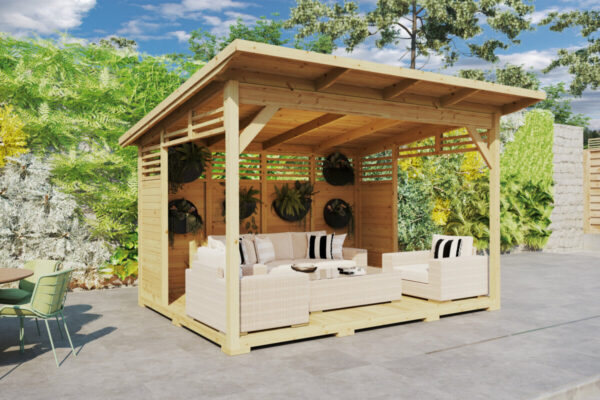
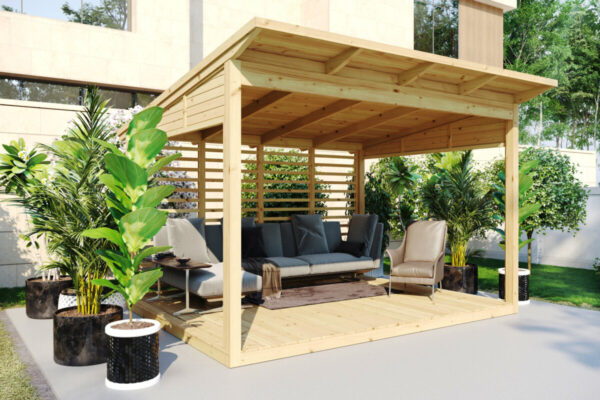
Pérgolas independientes o autoportantes: Estructuras aisladas sostenidas sobre cuatro o más columnas. Permiten crear ambientes autónomos en cualquier zona del jardín, junto a la piscina o en áreas de descanso.
Según la configuración de la cubierta
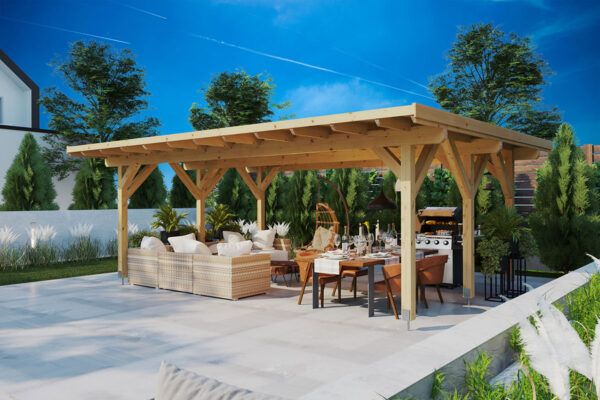
Cubiertas abiertas: Compuestas exclusivamente por travesaños y vigas de madera.
Cubiertas a un agua: Estructuras con una leve inclinación para evacuar el agua de lluvia cuando se añade un revestimiento protector.
Cubiertas a dos o más aguas: Diseños de inspiración clásica que facilitan un desagüe eficiente hacia los laterales.
Según el diseño y la tecnología
Tradicionales o rústicas: Construidas con postes macizos y acabados naturales que resaltan la textura del abeto o el pino.
Bioclimáticas y con palillería: Incorporan sistemas de lamas ajustables o toldos retráctiles de textil técnico (palillería) que se deslizan por guías para regular a voluntad la entrada de luz y ventilación.
Usos prácticos de una pérgola en el jardín
La pérgola es un elemento funcional que maximiza el aprovechamiento de los metros exteriores de una vivienda durante todo el año.
Zona de descanso y sombra: Mitiga la radiación solar directa, permitiendo disfrutar de temperaturas agradables durante los días más calurosos de verano.
Comedor exterior y área social: Crea el marco perfecto para instalar mesas y organizar comidas familiares o cenas al aire libre. Para complementar estos espacios con zonas gastronómicas dedicadas, consulte las opciones de casetas para barbacoa.
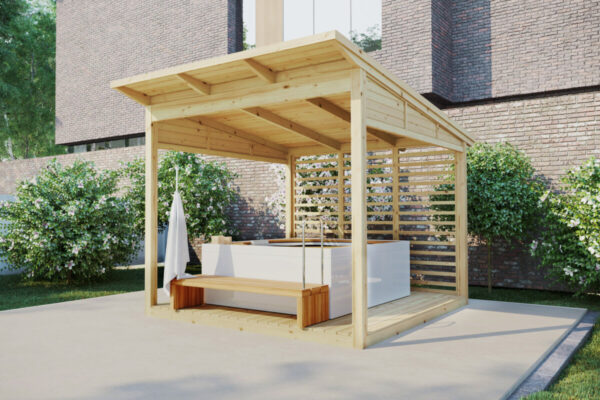
Refugio para jacuzzis y zonas de spa: Ofrece privacidad y protección moderada para equipamientos de descanso.
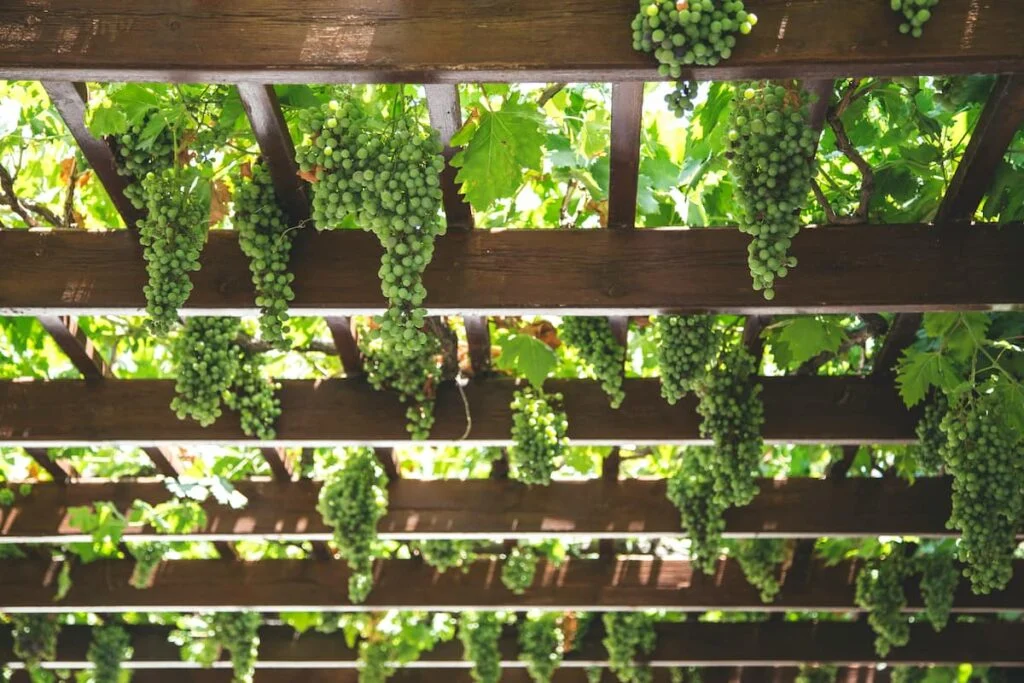
Soporte para huertos verticales y vides: Tradicionalmente utilizadas para emparrados, permiten cultivar uvas y cosechar frutas frescas en el propio hogar.
Encuentre el modelo ideal para su espacio exterior
Explore nuestra gama de pérgolas y cenadores fabricados con tecnología avanzada y acabados impecables. Disfrute de precios directos de fábrica sin intermediarios y con entrega a domicilio.
La integración de plantas trepadoras convierte la pérgola de madera en un auténtico pulmón verde, proporcionando sombra natural, aislamiento térmico y fragancia.
Jazmín: Variedades como el jazmín estrella (Jasminum nitidum) u oficinal destacan por su follaje denso y una floración blanca sumamente aromática.
Buganvilla: Excepcional para climas cálidos y soleados, aportando tonalidades magenta, violeta o rojas de gran valor ornamental.
Glicinia: Produce frondosos racimos colgantes de color violeta o azulado. Es una trepadora de crecimiento rápido que cubre estructuras amplias con facilidad.
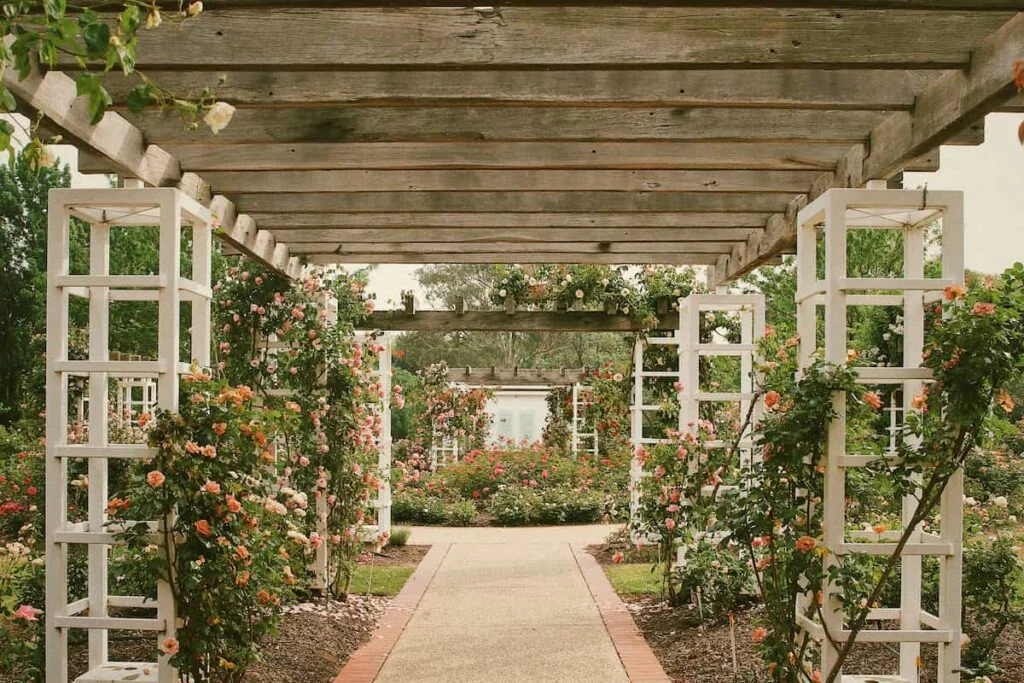
Rosas trepadoras: Aportan un estilo clásico y elegante, ofreciendo una amplia paleta cromática y fragancias continuadas durante la primavera.
Hiedra: Una alternativa perenne y muy resistente que asegura una pantalla verde tupida durante los doce meses del año.
Vid trepadora: Opción funcional y estética que brinda sombra espesa en verano, pierde las hojas en invierno para dejar pasar el sol y ofrece uvas frescas al final de la temporada.
Requisitos legales, asentamiento y mantenimiento
Para garantizar la durabilidad y legalidad de su pérgola de madera, es fundamental prestar atención a tres aspectos clave antes y después del montaje.
Normativa y licencias en España
En el territorio español, la necesidad de permisos de obra depende de la naturaleza de la instalación y de la normativa municipal de cada ayuntamiento. Si la pérgola es una estructura fija, anclada de forma permanente al suelo o sobrepasando ciertas alturas en la fachada, puede requerir una declaración responsable o licencia de obra menor. Asimismo, en pisos bajos, áticos o terrazas pertenecientes a una comunidad de propietarios, es imprescindible consultar los estatutos comunitarios y contar con la aprobación previa de los vecinos.
Cimentación y base de la estructura
La madera necesita asentarse sobre una superficie perfectamente nivelada, estable y aislada de la humedad del suelo directo. Antes del montaje, se recomienda estudiar las distintas opciones de tipos de bases para estructuras de jardín, que van desde losas de hormigón hasta sistemas de soportes regulables o tornillos de anclaje a tierra.
Mantenimiento de la madera de exterior
La madera expuesta a la intemperie requiere un cuidado periódico frente a la lluvia, la humedad y los rayos ultravioleta. Para asegurar una larga vida útil a la estructura:
Realice una limpieza general al menos una vez al año para retirar polvo y restos orgánicos.
Lije suavemente las zonas desgastadas si observa pérdida de brillo o asperezas.
Aplique un tratamiento protector contra hongos e insectos xilófagos.
Proteja la superficie mediante un lasur poroso o el mejor barniz para madera de exterior, repitiendo el proceso cada 2 a 4 años según el nivel de exposición solar.
Preguntas frecuentes
¿Cuál es la diferencia principal entre una pérgola y un cenador?
La diferencia principal está en el techo y el uso del espacio. La pérgola cuenta con un enrejado o entramado de vigas abiertas en la parte superior y suele servir como zona de paso o sombra parcial. El cenador tiene un techo rígido y cerrado, concebido como una estancia independiente protegida de la lluvia.
¿Necesito permiso del Ayuntamiento para instalar una pérgola en casa?
Si la pérgola se ancla sólidamente al suelo o a la fachada y constituye una instalación permanente, la mayoría de los ayuntamientos en España exigen una declaración responsable o licencia de obra menor. Es importante consultar la normativa urbanística local antes de instalarla.
¿Cada cuánto tiempo requiere mantenimiento una pérgola de madera?
Por lo general, se recomienda aplicar un tratamiento protector de lasur o barniz de exterior cada 2 a 4 años, en función de la exposición directa al sol, la humedad ambiental y el tipo de protector utilizado.
Want to discuss over phone. Let us call back to you
If you need any additional info regarding any product, please fill in the below form and we will get back to you, usually the same or next working day.
"*" indicates required fields
Have any questions regarding some product?
If you need any additional info regarding any product, please send us your questions.
"*" indicates required fields
Your quotation for casetasdejardin24.es
When you submit this form you will receive a pdf containing details of this cabin model, product dimensions and prices including any options you have selected