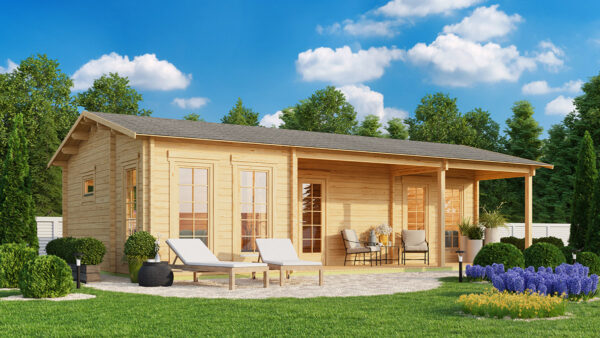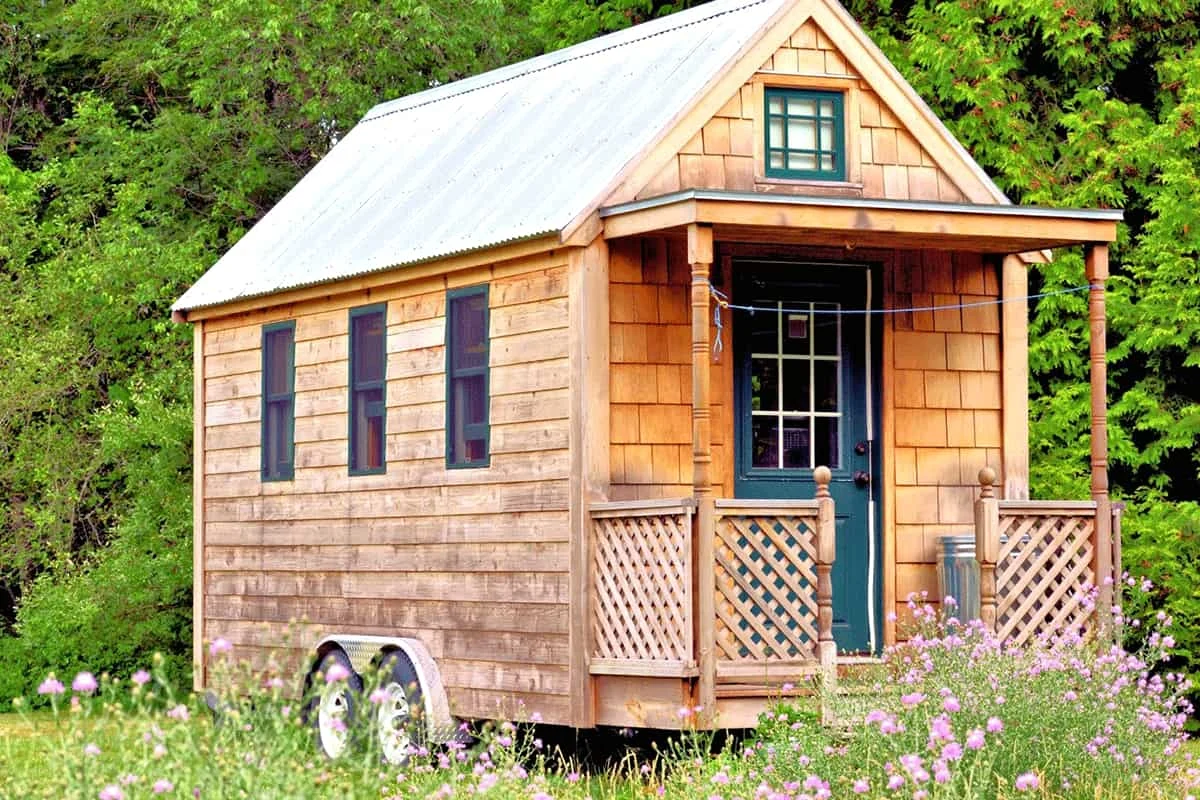
Setting up a mobile home on rural land sounds like an ideal shortcut to affordable countryside living. It is easy to see why: they arrive pre-built, sit on wheels, and do not need traditional foundations. Because of this, many buyers assume they fall outside standard planning regulations.
Under Spanish law, that assumption is entirely wrong.
Placing any residential structure on non-developable land (suelo no urbanizable) requires strict adherence to planning legislation. This guide breaks down the relevant legal framework in Spain, how the courts treat mobile dwellings, how to verify what is permitted on your plot, and the serious administrative and criminal penalties for building without consent.
In Spanish planning law, rural land—variously designated as suelo rústico, suelo rural, or suelo no urbanizable—is land protected from urban sprawl. Its primary purpose is to safeguard environmental, agricultural, livestock, forestry, landscape, and hunting resources.
Nationwide, land use is governed by Royal Legislative Decree 7/2015 of 30 October, which enacted the Consolidated Text of the Land and Urban Rehabilitation Act. Under this statute, any activity on rural land must respect its natural purpose and preserve existing natural assets.
However, day-to-day planning and zoning control rests with regional and local authorities:
As a rule, rural parcels lack basic municipal utilities—such as mains drainage, mains water, street lighting, and paved road access. Residential construction is strictly forbidden, save for tightly regulated statutory exceptions. To understand the baseline requirements for these properties, check the minimum plot size required to deed a rural parcel.
A mobile home is a prefabricated living unit built on a chassis with wheels, engineered to be transported without permanent foundations. Because it can theoretically be towed away, buyers often assume it is personal property (bien mueble)—akin to a caravan—and therefore exempt from planning controls.
The Spanish Supreme Court has repeatedly dismissed this argument. When a mobile home is used as living accommodation, the law treats it as a prefabricated house, not a vehicle or trailer. Siting one constitutes an act of land use (uso del suelo), bringing it firmly under municipal planning oversight.
Town halls require planning permission on several clear legal grounds:
If you are weighing your options, take time to review the regulations for installing a wooden house, as choosing a specific construction material does not bypass municipal planning requirements.
If your plot meets local planning requirements, explore our prefabricated wooden houses. Fully adaptable to your needs and built to deliver comfort all year round.
Over 20 years of experience crafting wooden houses backed by a 5-year guarantee.
While planning permission is mandatory and residential use on rural land is generally prohibited, actual feasibility depends on your region’s planning statutes and the local municipal plan.
When assessing an application, municipal planning officers typically weigh several critical factors:
Regional regulations can be particularly strict. In Galicia, for example, the regional Land Act bans camping and temporary accommodation outside authorised campsites, limiting any temporary stay on rural land to just 24 hours. For a comprehensive overview, read our guide on whether you can put a wooden house on rural land.
A persistent myth suggests that if a local planning ordinance does not explicitly mention the term mobil home, a legal loophole exists. Spanish courts have consistently rejected this defense: the lack of a specific term does not grant an exemption. Instead, mobile homes fall under the general rules governing prefabricated residential buildings and land development.
Installing an unpermitted mobile home exposes owners to severe legal repercussions:
Spanish criminal courts have handed down custodial sentences to landowners who placed mobile homes on concrete bases for residential use on rural land, ruling the installations a crime against spatial planning.
Before buying rural property or ordering a prefabricated unit, gather the essential official records to protect yourself from expensive disputes. You must consult three distinct sources:
To see how fully compliant residential builds are handled from start to finish, read about the construction process of a prefabricated wooden house.
We offer customisable models made from high-grade Nordic spruce with double-glazed windows and superior insulation—a solid, durable choice for buildable rural plots.
Free delivery included and a 5-star Trustpilot rating across Europe.
Under specific conditions, regional and municipal planning frameworks allow detached single-family dwellings or ancillary outbuildings on rural land. In Andalusia, for instance, the regional planning law (LISTA) allows single-family homes on qualifying rural parcels provided the plot meets strict minimum acreage thresholds (often 2.5 hectares or more), adheres to minimal building footprints (typically around 1%), and respects deep boundary setbacks.
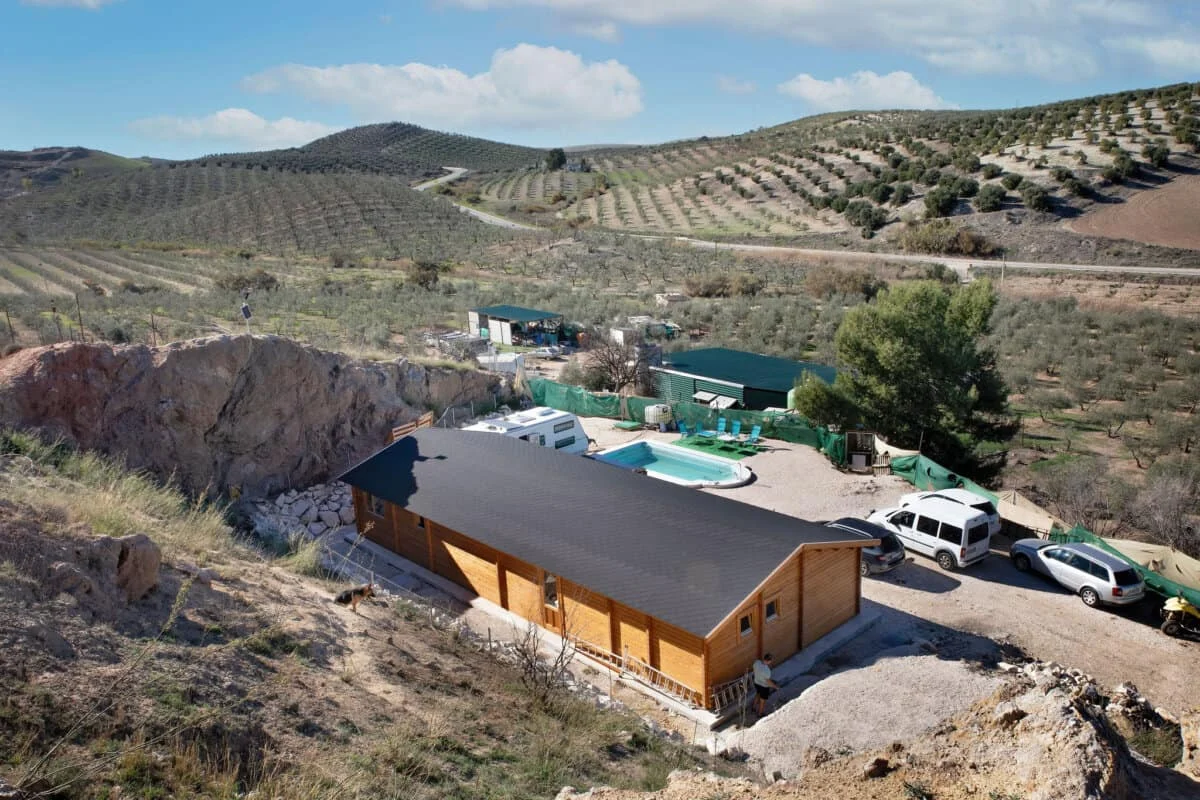
When your plot meets statutory criteria and you have secured a municipal licence, investing in an engineered wooden house provides a durable, fully compliant alternative to an unauthorised mobile home.
Prefabricated timber buildings offer clear structural and legal advantages:
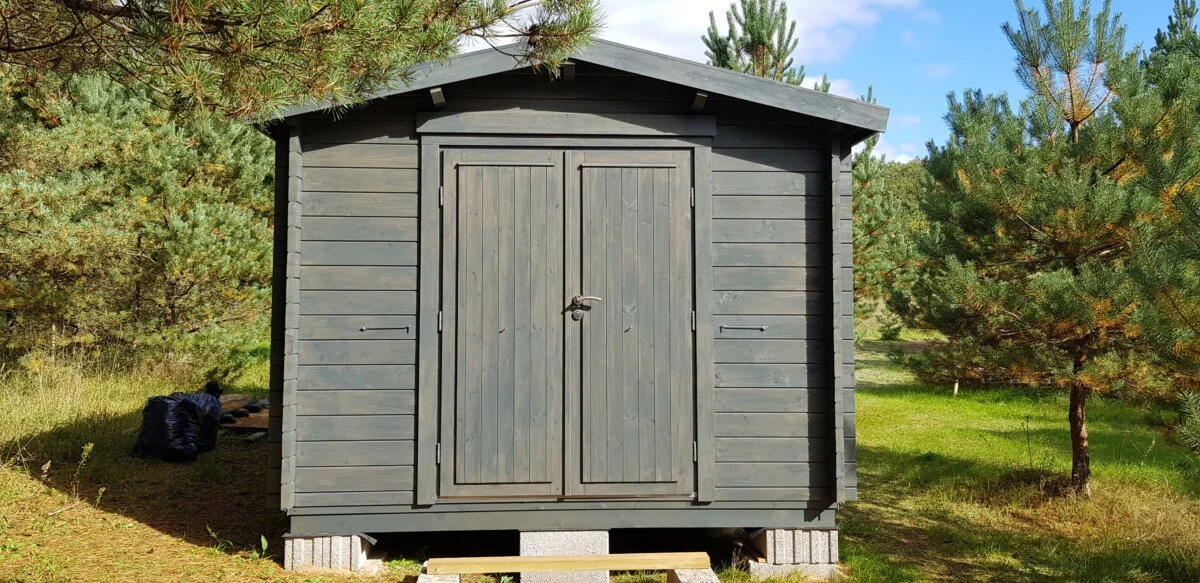
If your land only requires utility storage rather than residential space—such as an implement shed, tool store, or private workshop—auxiliary garden outbuildings offer a practical, lawful route forward. To see how these timber structures come together, read our guide on building a log cabin.
Placing a mobile home on rural land under the belief that wheels bypass planning laws is a costly mistake that routinely ends in hefty fines and eviction orders. The Spanish Supreme Court has made the legal position unequivocal: any mobile home used for habitation constitutes a prefabricated residential building and requires full planning permission.
The safest course of action is to approach the planning department (Urbanismo) at your local town hall, apply for a written planning certificate (certificado urbanístico), and consult a qualified architect or planning consultant. Taking these steps guarantees that your land can accommodate your plans before you spend a single euro on a structure.
Yes. The Spanish Supreme Court has established that mobile homes used as residences are legally equivalent to prefabricated houses. Siting one constitutes an act of land use subject to municipal planning permission, regardless of whether it has wheels or is considered temporary.
Utility companies in Spain are legally prohibited from connecting supplies without a valid planning licence or municipal certificate of habitability. Unauthorised connections highlight non-compliant residential use and can trigger immediate administrative enforcement.
The Cadastre (Catastro) is a fiscal registry that records property boundaries, surface areas, and land classifications for tax assessments. The Land Registry (Registro de la Propiedad) certifies legal ownership, rights of way, and registered encumbrances. Neither confirms urban planning legality, which can only be established via a formal municipal planning certificate issued by the local Town Hall.