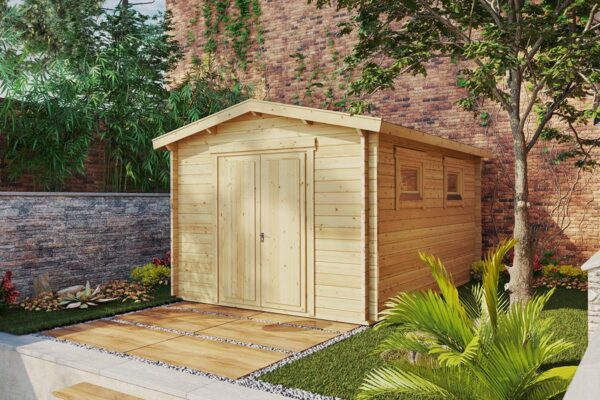
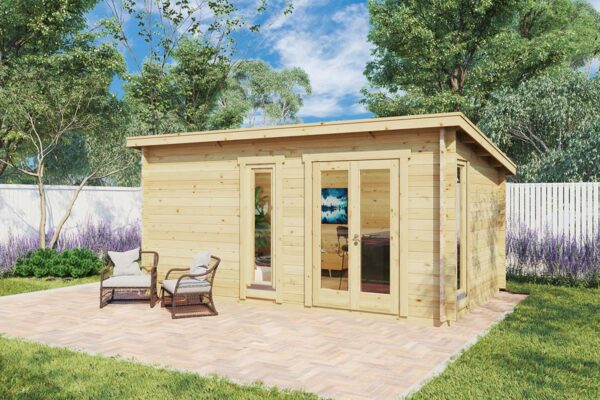
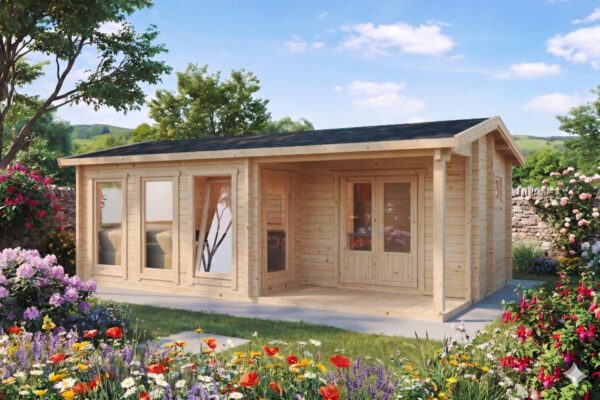
Maintaining a steady flow of fresh air through a wooden outbuilding is essential for ensuring its longevity and keeping the indoor climate healthy. Proper ventilation regulates ambient humidity, stops condensation in its tracks, and shields the timber structure from premature rot and fungal decay.
Although timber naturally breathes by expanding and contracting with seasonal weather shifts, passive or mechanical ventilation remains indispensable—whether you use your building for garden storage, a DIY workshop, or a home office. Understanding how air moves and putting simple ventilation strategies into practice will safeguard your outdoor space for years to come.
Timber is hygroscopic: it naturally absorbs and releases moisture from the surrounding air, swelling and shrinking in response to temperature and humidity. Because of this, quality wooden buildings are engineered with precise tolerances and expansion gaps to accommodate natural timber movement and allow baseline air exchange.
Problems arise when air inside the shed stagnates. If relative humidity climbs above 80%, conditions become ripe for mould and wood-rotting fungi. Worse still, if the moisture content of the timber itself stays above 20% for an extended period, the structural integrity of the walls, roof, and floor will rapidly decline.
Consistent ventilation exhausts built-up, humid air outside and draws drier air in, dramatically lowering the risk of rot and extending the lifespan of your garden sheds.
Discover our high-grade Nordic spruce buildings, fitted with double-glazed tilt-and-turn windows as standard. Engineered to guarantee long-term durability and an ideal indoor climate across every season.
5-year guarantee and free delivery across mainland Spain.
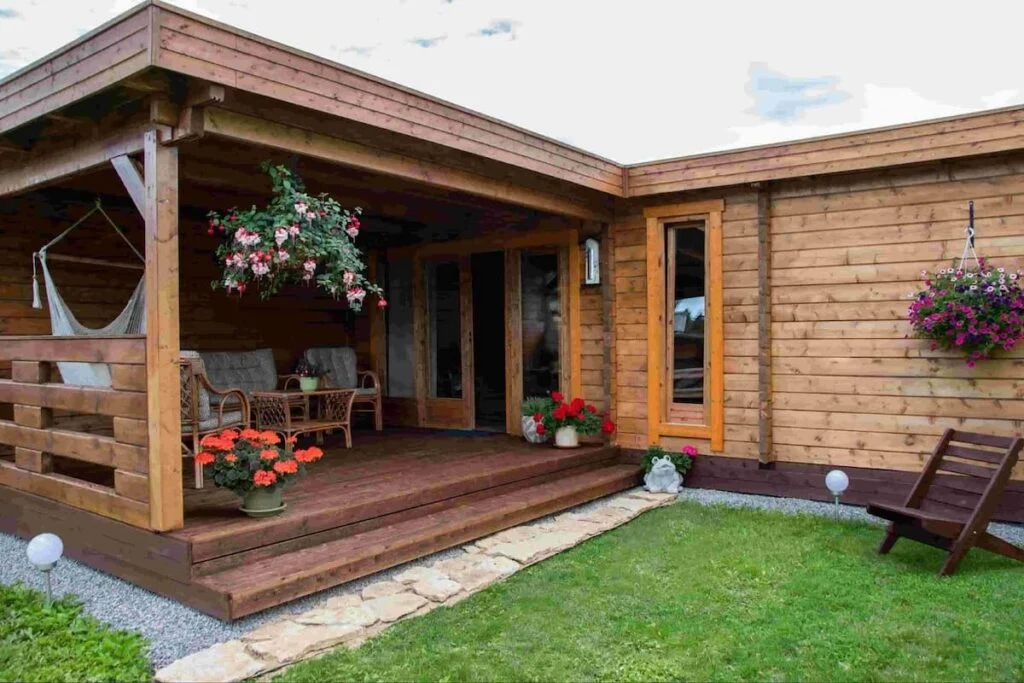
Spotting early signs of poor ventilation allows you to take action long before the timber suffers permanent structural damage. Watch out for these common visual and atmospheric red flags:
It is important not to mistake internal condensation for external roof or wall leaks:
To protect against rising ground moisture, always erect your shed on a proper foundation structure or use adjustable pedestal risers to elevate foundation bearers away from damp soil.
Passive ventilation is the most straightforward, cost-effective way to keep air moving. It harnesses natural breezes and thermal buoyancy (warm air rising) to cycle fresh air through the building without running up your electric bill.
Cross-ventilation is by far the most efficient passive technique. It requires openings on opposite or adjacent sides of the shed: one window acts as an intake for cooler, fresher outside air, while the other expels warm, humid air.
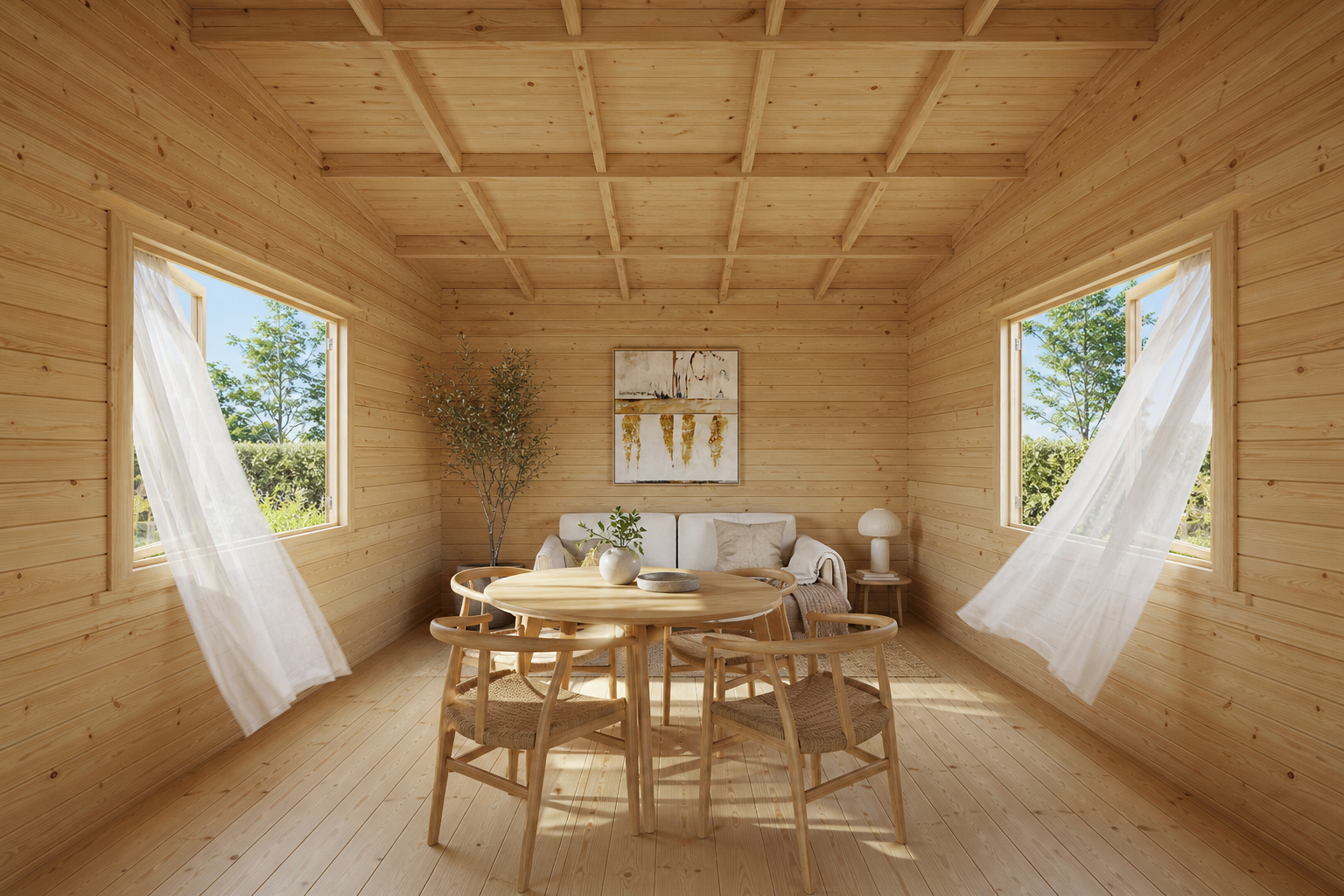
Airing out the building regularly ensures a healthy air exchange. Tilt-and-turn windows are especially valuable here; their tilt function lets you maintain constant background airflow without leaving the shed vulnerable to sudden rain showers or compromising security.
Passive louvred vents keep air moving continuously, even when doors and windows remain shut for weeks at a time:
Always choose vents with integrated fine-mesh insect screens to keep bugs and rodents out. Make sure to periodically clear away cobwebs, dust, and garden debris to keep airflow unobstructed.
Rotating roof turbines (often called whirlybirds) are roof-mounted extractors that spin using natural wind currents. As the turbine rotates, it draws damp air out from the top of the shed, creating gentle negative pressure that pulls fresh air in through lower wall vents. These are especially beneficial for wooden garden sheds and small garden sheds used to house petrol machinery, lawnmowers, and garden tools.
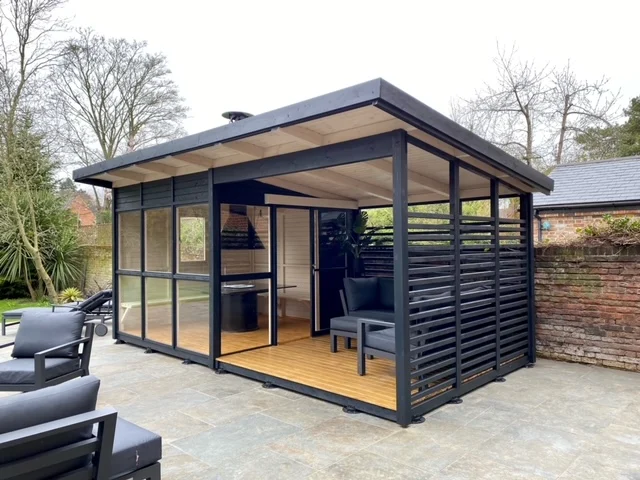
During damp winter months or in humid coastal climates, natural airflow alone might not be enough to prevent moisture buildup in an unheated, uninsulated shed.
Warm air can hold significantly more moisture vapour than cold air. On cold, damp days, running a space heater warms the ambient air, drawing condensed moisture off cold surfaces and windowpanes. Once that moisture is suspended in the air, opening two opposing windows for 5 to 10 minutes creates a rapid air purge, flushing the humid air out without dropping the core temperature of the walls.
For sealed workshops or hobby rooms, an electric refrigerant or desiccant dehumidifier is an outstanding active solution. Dehumidifiers pull litres of water straight out of the atmosphere, protecting hand tools from rust and stopping timber fibres from becoming waterlogged.
If your shed serves as a garden studio, home gym, or garden office, a mini-split heat pump is one of the best investments you can make. Beyond delivering year-round temperature control, these systems feature dedicated dehumidification cycles that actively manage moisture levels in medium garden sheds.
Our timber cabins feature thick solid-wood walls and precision German joinery designed for optimal ventilation. Create a comfortable retreat for your home office, gym, or relaxation space.
Over 20 years of expertise crafting sustainable timber buildings.
Ventilation works hand in hand with proactive maintenance and moisture-reduction habits. Combine your airflow setup with these preventive measures:
Preventing moisture damage does not require complicated machinery or substantial ongoing costs. For most garden buildings, a balanced approach combining tilt-and-turn windows for routine airing and passive vents for background circulation provides more than enough airflow to keep the interior dry.
Paired with a durable exterior finish and sensible housekeeping, these ventilation measures will keep your wooden shed strong, clean, and rot-free for decades to come.
Yes. Opening windows is ideal when you are around, but wall or gable vents provide essential 24/7 background ventilation when the shed is locked up for weeks at a time, preventing stagnant air and condensation without compromising security.
Condensation appears as fine, misty water droplets or uniform dampness on cold, non-porous surfaces like window panes, usually with no distinct borders. Rainwater leaks leave noticeable, localized water rings or dark stains on timber walls and roof boards that feel visibly saturated right after rainfall.
Absolutely. Cold winter air holds less moisture, meaning warm indoor air quickly reaches its dew point against cold timber walls and roof boards. Purging humid air by opening windows for a few minutes or letting trickle vents run continuously prevents winter condensation from triggering rot.