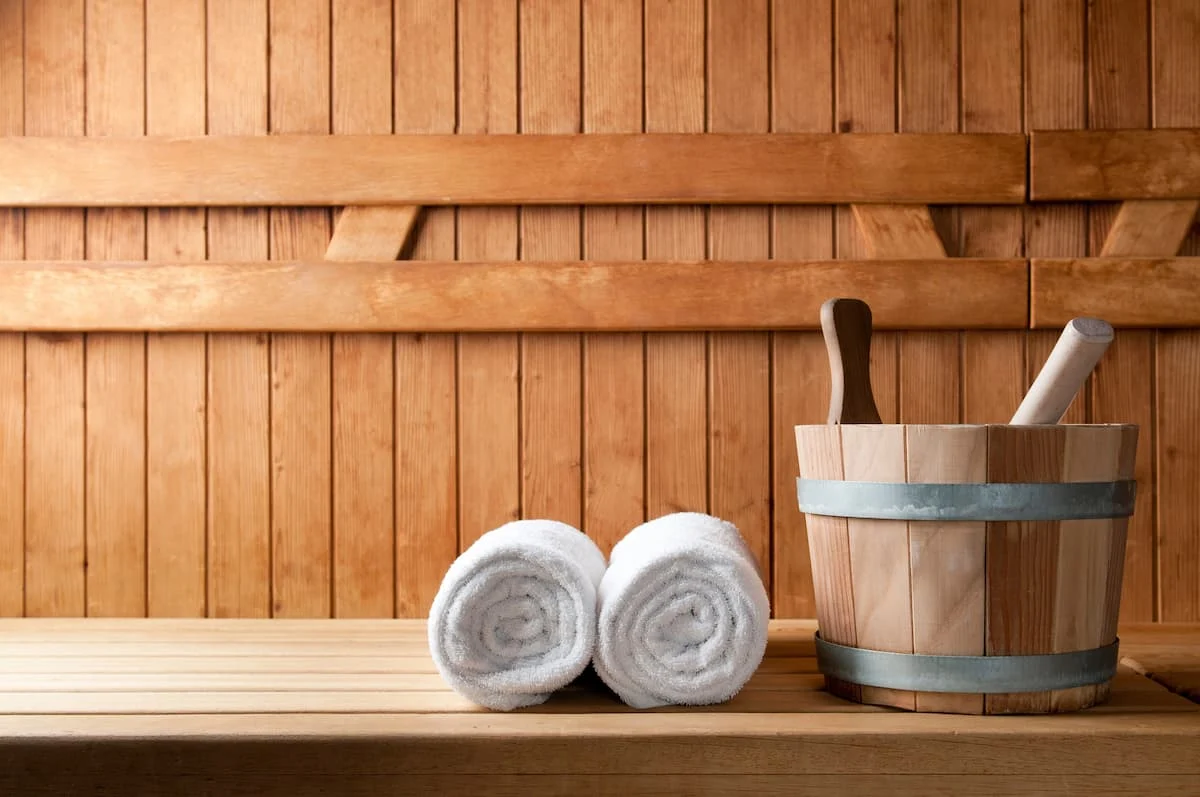
La sauna se ha utilizado durante siglos como una práctica fundamental de bienestar, relajación y cultura social. Más allá de la sensación inmediata de descanso y desconexión, la exposición controlada al calor desencadena una serie de respuestas fisiológicas complejas que influyen de manera directa en el sistema cardiovascular, la recuperación muscular, la función cerebral y el estado de ánimo.
Comprender cómo responde el organismo al estrés térmico le permite maximizar sus efectos positivos, optimizar sus rutinas y planificar sus sesiones de forma totalmente segura. Contar con una sauna privada en el jardín facilita la integración de este hábito saludable en la vida cotidiana.
Al entrar en una sauna finlandesa tradicional, el organismo activa mecanismos inmediatos de termorregulación para adaptarse a temperaturas que habitualmente oscilan entre los 70 °C y los 100 °C con un nivel de humedad bajo (entre el 10 % y el 20 %).
Si desea profundizar en la estructura, aislamiento y características de estas construcciones de madera, puede consultar nuestra guía sobre qué es la típica sauna de exterior.
Instalar una sauna de exterior le permite disfrutar de todos sus beneficios fisiológicos con total comodidad y privacidad en su jardín. Explore nuestras estructuras de madera de alta calidad diseñadas para durar muchos años.
Garantía de 5 años y más de 20 años de experiencia fabricando en Europa.
La exposición regular al calor somete al sistema circulatorio a un estímulo saludable. La dilatación de las arterias reduce temporalmente la presión arterial y exige al corazón un trabajo similar al de una caminata a buen ritmo.
Investigaciones prospectivas a largo plazo realizadas en cohortes finlandesas han observado una sólida relación entre el uso frecuente de la sauna y un menor riesgo de eventos cardiovasculares. En concreto, las personas que acuden a la sauna entre 4 y 7 veces por semana presentan una reducción de hasta el 40 % en la mortalidad por todas las causas y de cerca del 50 % en la mortalidad por enfermedades cardiovasculares en comparación con quienes la utilizan solo una vez a la semana. Asimismo, se ha documentado un menor riesgo de sufrir muerte súbita cardíaca y enfermedad coronaria.
Combinar el ejercicio físico regular con sesiones posteriores de sauna potencia aún más la capacidad cardiorrespiratoria y ayuda a controlar la presión arterial sistólica de forma más eficaz que el ejercicio aislado. Aunque los cambios vasculares permanentes requieren constancia y un estilo de vida activo, la sauna constituye un excelente complemento cardiovascular.
El calor fomenta una relajación muscular profunda al tiempo que reduce los niveles de cortisol y estimula la liberación de endorfinas. Ensayos clínicos en pacientes con estrés o sintomatología depresiva leve muestran que la hipertermia pasiva logra reducciones significativas en las puntuaciones de ansiedad, tensión física y estados de ánimo negativos.
En la cultura saunística existe el concepto de “totonou”, un estado de bienestar caracterizado por una profunda calma mental, claridad de pensamiento y emociones positivas tras completar los ciclos de calor y enfriamiento. La desconexión del entorno diario dentro de la cabina proporciona un espacio libre de pantallas y distracciones digitales.
A nivel neurocognitivo, estudios observacionales a largo plazo han relacionado el uso frecuente de la sauna (de 4 a 7 veces por semana) con una reducción de hasta el 65 % en el riesgo de desarrollar demencia y enfermedad de Alzheimer, así como con una importante disminución en el riesgo de trastornos psicóticos.
Utilizar la sauna después de entrenar es una práctica habitual entre atletas para aliviar la fatiga muscular y acelerar la recuperación. El incremento del riego sanguíneo facilita el aporte continuo de oxígeno y nutrientes a los tejidos musculares fatigados, favoreciendo la eliminación de metabólicos acumulados.
Además, el calor incrementa la elasticidad del tejido conectivo, mejorando la flexibilidad articular y reduciendo la rigidez muscular. El uso profiláctico del calor antes o después del esfuerzo también ayuda a atenuar la intensidad del dolor muscular de aparición tardía (agujetas).
Para conocer con más detalle la tradición y los fundamentos de este hábito térmico, puede revisar nuestro análisis sobre la sauna finlandesa y sus beneficios.
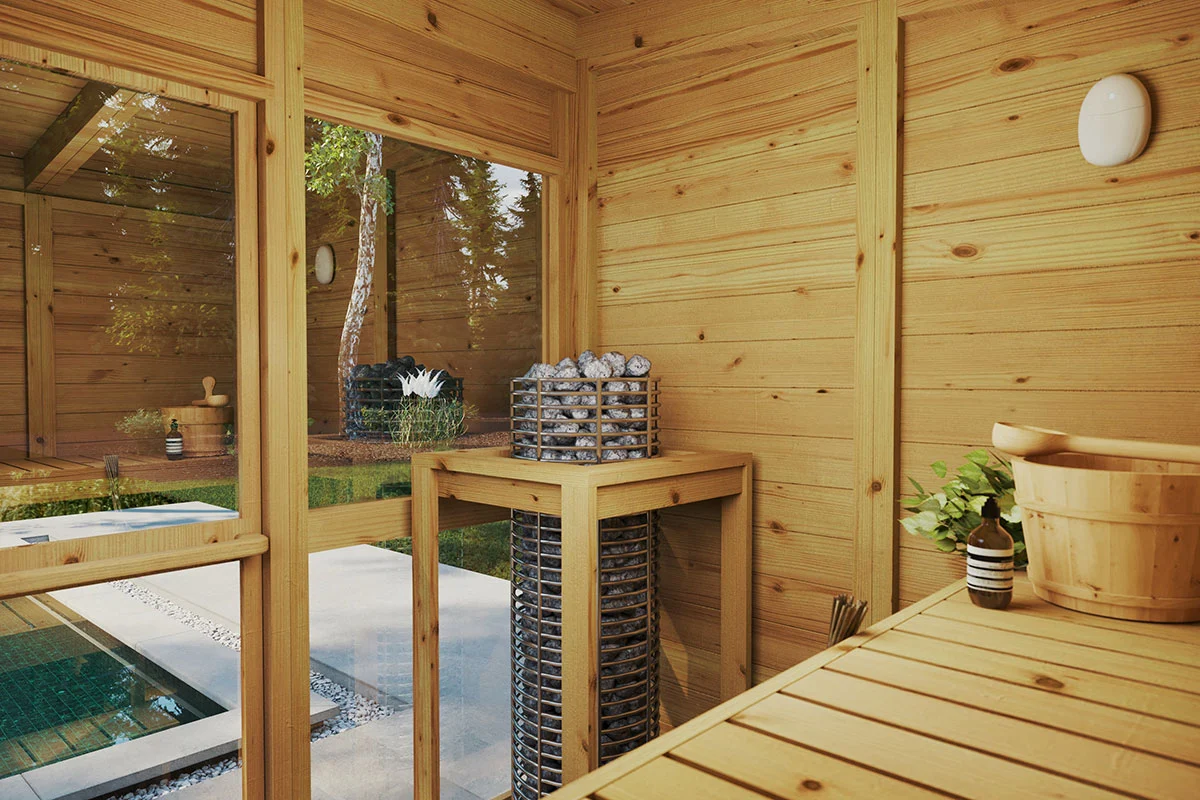
La temperatura corporal desciende de forma paulatina tras salir de la sauna y realizar la correspondiente fase de enfriamiento. Este descenso progresivo de la temperatura central actúa como un estímulo fisiológico para el sistema nervioso central, enviando la señal de que se acerca la hora de descansar.
Muchas personas refieren una conciliación del sueño más rápida y una fase de sueño profundo más prolongada cuando utilizan la sauna a última hora de la tarde o al anochecer. La bajada del tono muscular y la atenuación del estrés acumulado facilitan un descanso reparador.
El aire caliente de la sauna ayuda a reducir la congestión pulmonar y promueve una dilatación temporal de las vías respiratorias. Durante la sesión se produce un aumento agudo del volumen corriente y de la capacidad vital respiratoria, lo que suele aliviar las molestias leves en personas con asma o bronquitis crónica.
Estudios epidemiológicos continuados reflejan que los usuarios habituales de sauna que acuden 2 o más veces por semana sufren una menor incidencia de infecciones respiratorias agudas, como la neumonía, y presentan un menor riesgo de exacerbaciones en enfermedades pulmonares crónicas.
La sudoración copiosa durante la sesión contribuye a limpiar las capas superficiales de la epidermis, arrastrando células muertas y suciedad acumulada en los poros. La vasodilatación periférica incrementa el flujo de nutrientes y oxígeno hacia las células cutáneas, lo que favorece una apariencia más fresca, elástica e hidratada.
El incremento térmico estimula la movilización de glóbulos blancos en el torrente sanguíneo, incluyendo neutrófilos y linfocitos. Aunque una única sesión no modifica de forma permanente la inmunidad, la práctica continuada de sesiones de sauna actúa como un estímulo moderado que refuerza las defensas naturales del organismo en el marco de una vida saludable.
Si desea instalar una estructura de madera independiente en su propiedad, puede aprender los pasos principales en nuestro artículo sobre cómo construir una sauna en el jardín.
Descubra nuestra amplia variedad de saunas de exterior fabricadas en abeto nórdico de alta calidad, con envío gratuito y 5 años de garantía. Encuentre el modelo ideal para integrar la sauna en su rutina diaria.
👉 Descubrir saunas de exterior
Garantía de 5 años y envío gratuito incluido en todos nuestros modelos.
Ajustar la duración y la frecuencia le permitirá maximizar las adaptaciones positivas sin someter al cuerpo a un estrés térmico excesivo.
Aunque la sauna es segura para la mayoría de las personas sanas, es fundamental respetar ciertas pautas de seguridad.
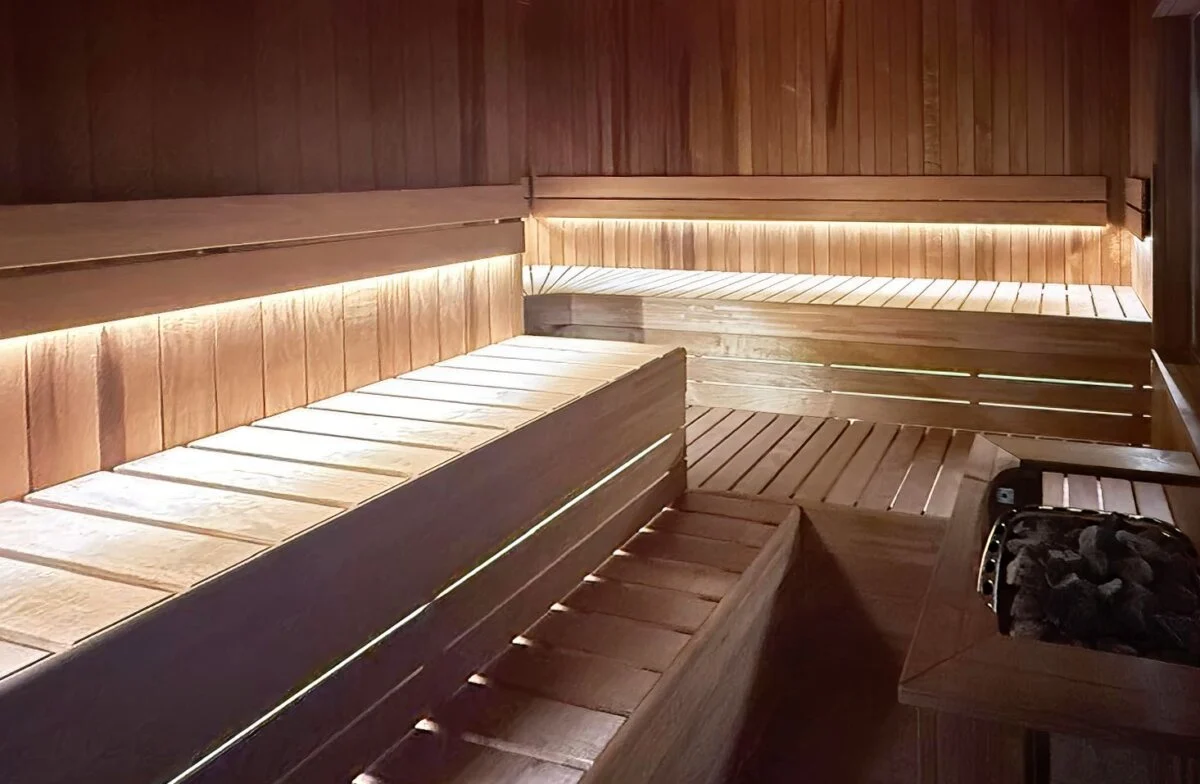
La sauna estimula la circulación cardiovascular, ayuda a relajar la musculatura, reduce el estrés y la ansiedad, mejora la calidad del sueño y contribuye a la salud respiratoria y cognitiva.
Para la mayoría de las personas, una sesión de entre 10 y 20 minutos es idónea. Los principiantes deben comenzar con períodos de 5 a 10 minutos y aumentar gradualmente según su tolerancia.
En personas sanas y bien hidratadas, el uso diario en sesiones de 10 a 20 minutos es seguro y se asocia con mayores beneficios cardiovasculares y de longevidad. Ante cualquier condición médica previa, se debe consultar con un médico.