Saunas have been used for centuries as a wellness practice, but beyond relaxation, sauna use triggers a range of physiological responses that can positively influence health.
In this guide, you’ll learn what a sauna is, its proven benefits, when it’s best to use one, and what precautions you should take to enjoy it safely.
A sauna is an enclosed space designed to expose the body to high temperatures in a controlled environment, typically ranging from 70°C to 100°C.
When you step into a sauna, your body activates several heat-adaptation mechanisms:
Difference between dry and wet saunas: A dry sauna uses heat with low humidity, while a wet sauna combines heat with high humidity.
Sauna use improves circulatory system function:
A study from the University of Eastern Finland linked frequent sauna use with a lower risk of heart attack and cardiovascular mortality.1
Heat exposure promotes deep relaxation:
Regular sauna use may benefit people with cardiovascular risk factors such as high cholesterol, hypertension, and diabetes.2
Using a sauna after physical activity can:
Research published in the Journal of Science and Medicine in Sport found that post-exercise sauna use improved endurance and cardiovascular adaptation in athletes. 3
Sweating helps open pores and remove surface impurities:
Studies show sauna use can improve the skin barrier, hydration, and pH balance while removing surface debris. 4
Sauna sessions may improve sleep:
Clinical reviews indicate sauna use is associated with improved sleep quality and deeper rest. 5
Sauna use may strengthen immune defenses:
Research suggests regular sauna use can contribute to stronger immune function.
To enjoy these benefits at home, explore our wide range of saunas and find the perfect fit for your space.6
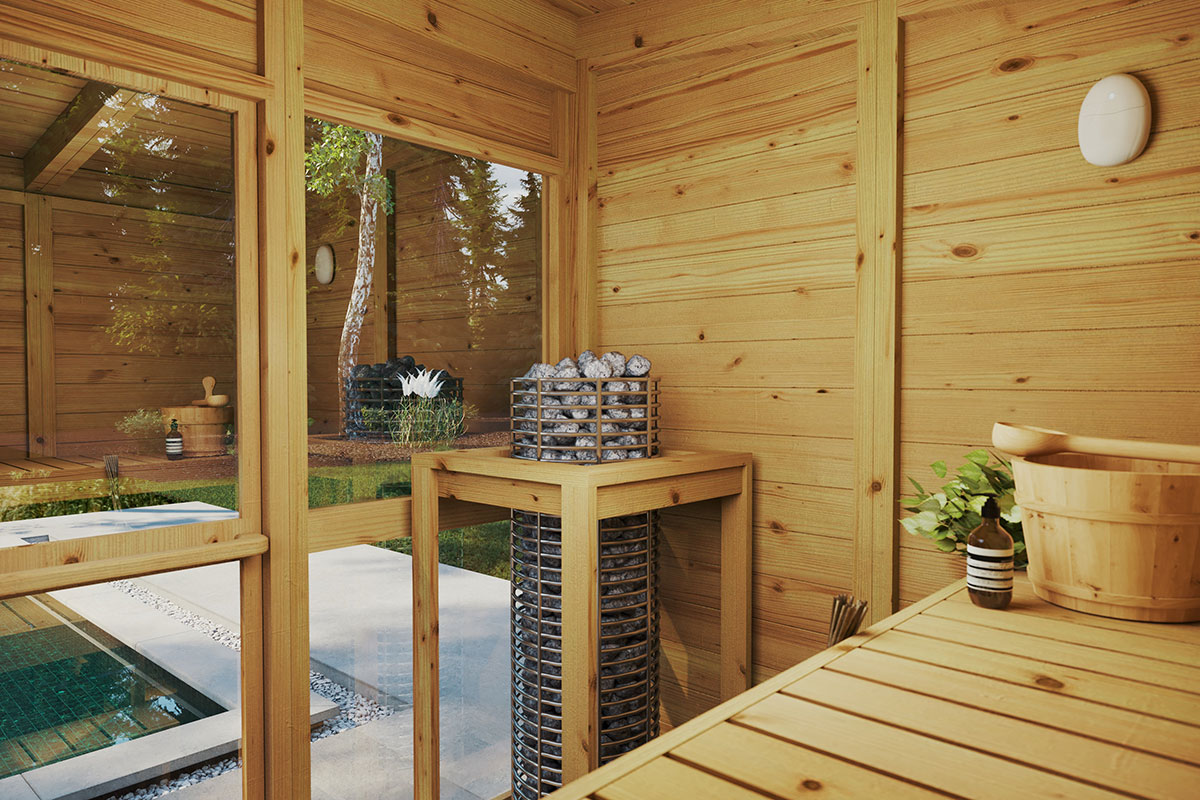
Dry saunas use hot air with very low humidity, usually below 20%. Temperatures typically range between 80°C and 100°C, producing intense sweating.
They are ideal for cardiovascular health, deep relaxation, and muscle recovery. Dry saunas are the most commonly installed sauna type due to their efficiency and powerful benefits in shorter sessions.
Wet saunas combine heat with higher humidity levels, usually between 40% and 60%. Temperatures are lower than in dry saunas, but the heat feels more enveloping.
They’re more comfortable for people sensitive to dry heat and may help moisturise airways and relieve nasal dryness.
Steam rooms operate with saturated water vapour, reaching humidity levels close to 100%, with temperatures around 40–50°C.
This environment is ideal for easing respiratory congestion, skin care, and gradual relaxation, making it suitable for those with lower heat tolerance.
If you’re also curious about installation costs, you can read more about the cost of a sauna in Spain here.
The duration and frequency of sauna use directly affect the benefits you’ll experience.
Relaxation and stress reduction
10–15 minutes per session, 2–3 times per week
Muscle recovery and athletic performance
15–20 minutes post-exercise, up to 3 times per week
Cardiovascular health and general wellbeing
15–20 minutes, 3–4 times per week
Improved sleep
10–15 minutes in the late afternoon or early evening
For most healthy individuals:
If you’re new to sauna use:
This gradual approach helps your body adapt safely to heat stress.
Consult a doctor before using a sauna if you have:
❌ Myth: “Saunas detoxify the body”
✅ Fact: Detoxification is performed by the liver and kidneys. Saunas only help remove surface impurities through sweat.
❌ Myth: “Saunas cause weight loss”
✅ Fact: Weight loss during sauna use is temporary water loss, not fat loss.
❌ Myth: “A sauna is the same as a hot bath”
✅ Fact: Saunas trigger a much stronger thermal and cardiovascular response.
Listening to your body is the best way to enjoy sauna use safely and comfortably.
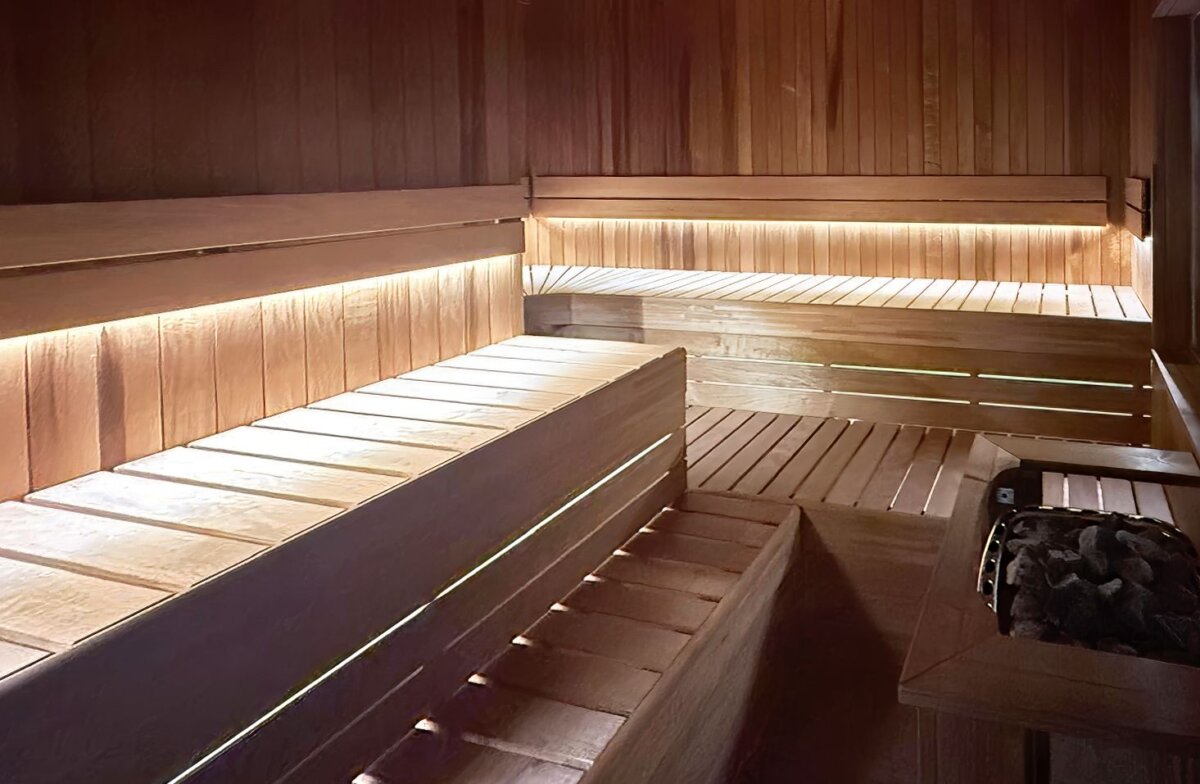
Saunas are used to improve cardiovascular health, reduce stress, and support muscle recovery. Regular use offers both physical and mental benefits.
No. It only causes temporary water loss, not fat loss.
10–20 minutes per session is recommended.
For healthy individuals, moderate daily use can be safe if adjusted to personal tolerance.
Yes. Sauna use promotes relaxation and improves sleep quality.
At Casetas de Jardín 24, you’ll find a wide selection of high-quality, durable saunas for different spaces.
Sources: